
Ipê News #39 - Pax Silica, HTTP 402 and Humanoid Capital Markets
Your weekly update on what is happening in the Startup Society ecosystem.
Hey builders! Welcome to the 39th edition of Ipê News.
🏘️ Community Updates

The Ipê builders gathering returns Thursday, May 28, in Florianópolis, 6PM to 9PM BRT. After food and drinks, the workshop opens with Roman from Valar Group, an engineering contributor on next-gen Zcash. He walks through the redesigned shielded pool and how private information retrieval is being applied to real payments. Free entry, RSVP on Luma.
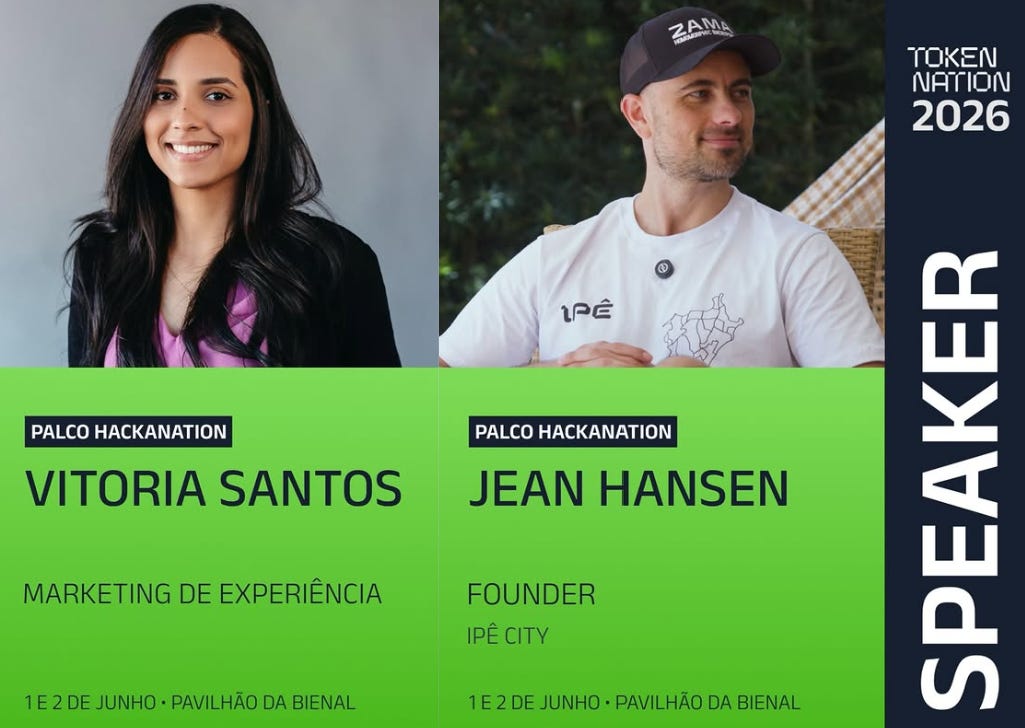
TokenNation, Brazil’s Web3 and tokenization conference, runs June 1 and 2 at the Pavilhão da Bienal in São Paulo. Two Ipê voices hit the Hackathon stage: Jean Hansen, founder of Ipê City and producer of The Network Society documentary, on cities and network states; and Vitoria Santos, experience lead at Ipê City and head of SheFi Brazil, on community and onboarding women into Web3.
🏫 Learning
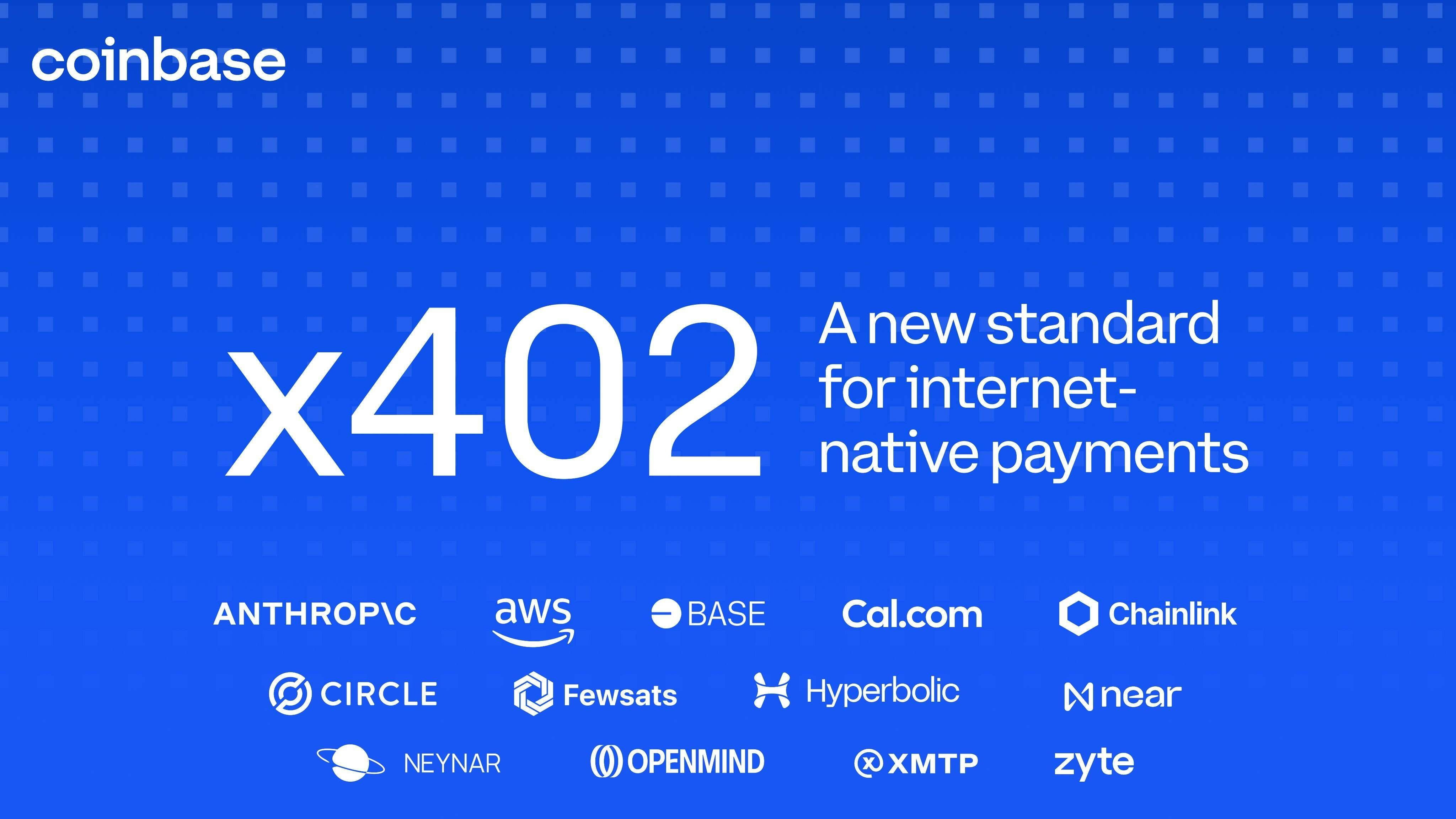
HTTP has a quiet entry called 402, Payment Required, which essentially means “pay first, then I will show you.” When it was reserved in the 1990s, nobody had figured out how to send a dollar online, so the code sat unused for thirty years while the web grew up on ads, logins and monthly subscriptions.
Coinbase’s x402 finally gave it a job. Hit a paid link, the server replies “402, pay this much in USDC,” a tiny middleware sends the stablecoin in the background, and the page loads without any login or credit card on either side. There is a whitepaper, open code, a Bazaar of paid endpoints, and an x402 Foundation co-stewarded with Cloudflare. Covered in Ipê News #1.
What makes this urgent is AI agents. A chatbot cannot open a Bloomberg account. Imagine a travel assistant paying half a cent to check one hotel rate, or a research bot reading a paragraph of a paywalled report for a tenth of a cent. Two agents can also pay each other directly, like your scheduling assistant buying an open calendar slot from a stranger’s calendar agent.
Picture a toll road. The API key used to work like a monthly pass. Plain x402 pays coins at every gate, while batch settlement acts as the modern transponder, opening the gate instantly because the system trusts you will square the bill at the end. The web finally has a clean way to charge per question, which is how agent traffic moves anyway.
🌐 Network Societies Update

The United States and the Philippines are closing in on a long-term framework for a 1,620-hectare Economic Security Zone at New Clark City, on land that once hosted Clark Air Base. The site sits inside Pax Silica, the US-led coalition of around fourteen countries rewiring supply chains for AI, chips, and critical minerals away from Chinese chokepoints. Under Secretary Jacob Helberg recently toured the area with executives from Foxconn, Agility Robotics, Joby Aviation, and Valar Atomics, giving the project visible industrial weight.
The harder question is who actually runs the place. Early reports said Washington would administer the zone rent-free, with embassy-style immunity and American common law on the ground. BCDA chief Joshua Bingcang publicly rejected that, saying it will operate under Philippine SEZ law and BCDA rules. Manila is offering a two-year rent-free grace period as an in-kind contribution while both sides keep negotiating investor protections and sectoral priorities.

On May 22 the river port of Can Tho (Vietnam), in the Mekong Delta, hosted a workshop that would have looked odd a decade ago in a place known for rice and shrimp. The city’s Department of Science and Technology partnered with conglomerate CT Group to launch Innovation Hub 4.0, a new science and technology fund, and cooperation agreements aiming to make Can Tho a national innovation pole by 2030.
Can Tho has signed 30 memorandums of understanding, connected with six investment funds, and now counts 68 startups, 190+ projects, and 23 support organizations. The fund was set up by city decree on December 31, 2025 for grants and subsidized loans. Innovation Hub 4.0 will host work on semiconductors, AI, and carbon credit infrastructure, with sandbox mechanisms and public-private partnerships in the model.
🛠️ Parallel Institution
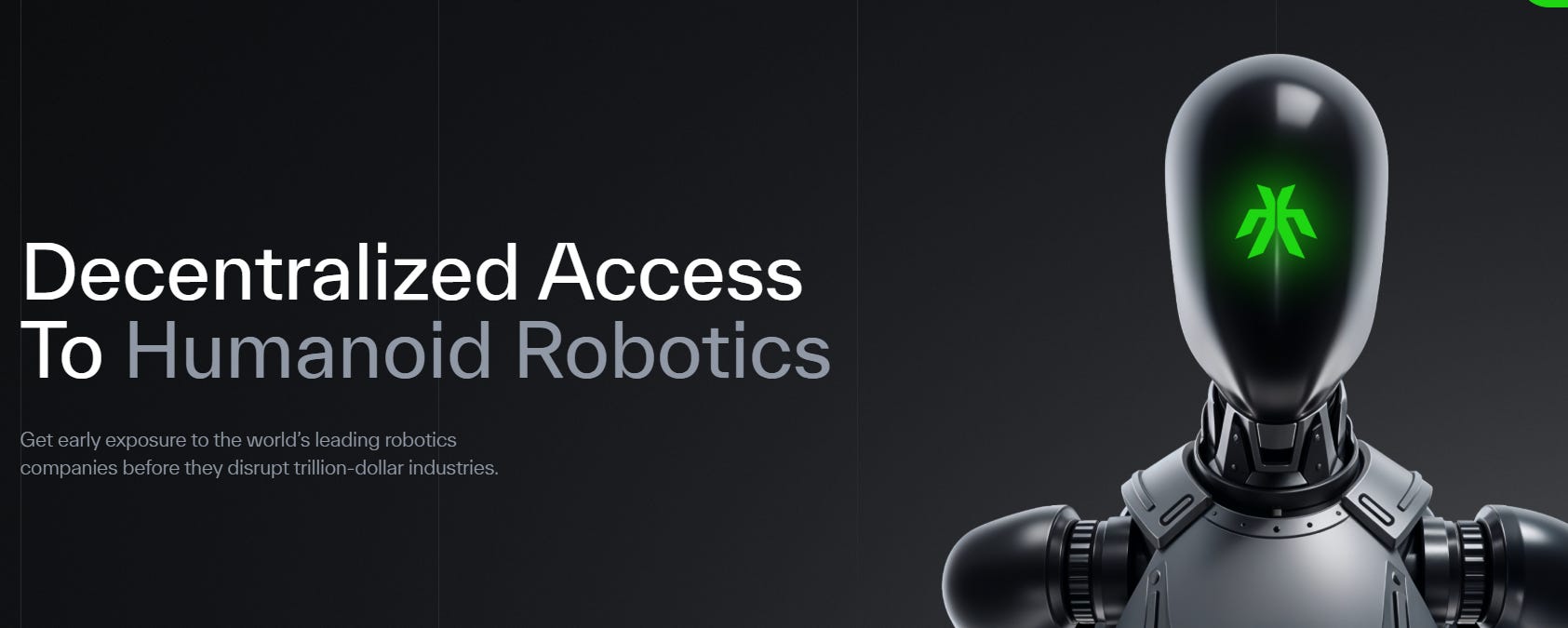
XMaquina Opens Humanoid Robotics Capital Markets to DAO Governance #Parallel Robotics
Humanoid robotics is the kind of sector where most of the upside lives behind locked doors. Capital moves through venture funds, strategic investors, and insider rounds that close before any press release. Public markets only see the trailing exposure once the formation is done. XMaquina is trying to widen that gap with a DAO and a veToken called xDEUS.
What XMaquina is putting onchain has three pieces. xDEUS holders steer treasury allocation, with recent proposals already routing capital into specific robotics initiatives. The Robotics Capital Markets protocol tokenizes exposure to the sector itself, turning a cap-table into something any wallet can hold. DEUS Labs handles incubation; its first project, Robotico, is already live.
Sovereign wealth funds and a16z already get robotics exposure on terms retail rarely sees. XMaquina is betting the missing piece was always a coordination layer for capital, with deal flow following once that layer exists.

Health Protocol Puts Community Health Activation on ZKsync Rails, Without PHI on Chain #Parallel Health
Modern healthcare runs on a billing engine. Insurers, hospitals and patients pull in opposite directions because reimbursement rewards procedures done after someone is already sick. The work that keeps people out of clinics, a peer reminding a neighbour to take their pills or a coach getting someone to walk thirty minutes a day, never shows up on an invoice.
Health Protocol, founded by Imperial College surgeon Prof Usman Jaffer, is the Web3 engine behind Health-Shared communities and runs on a ZKsync Prividium chain, a permissioned Ethereum-anchored Layer 2 where Protected Health Information stays off chain and only an anonymised community scorecard lands on the public ledger as a zero-knowledge proof. Donors and insurers fund Community DAOs by reading those scorecards, with the HLTH token settling incentives. Hammersmith and Fulham, Bracknell Forest and LifeBridge Health in Maryland are onboarding, plus pilots in Ghana, Ethiopia, Uganda and Mauritius and an Imperial evaluation.
The shift here is from an illness economy to an activation economy. Hospitals keep treating acute episodes; the slow work of staying healthy becomes legible to anyone willing to pay for it.
🌍 Other Interesting News
The Enhanced Games Run on a Different Anti-Doping Contract
The Enhanced Games let athletes compete on supervised performance-enhancing drugs, with $25M in prizes and a $1M bounty on any world record. The marks do not enter World Athletics or World Aquatics books. It is the first sports league built around opting out of the anti-doping contract.
In February, the Cerebral Valley × Anthropic Built with Opus 4.6 hackathon ran for a week. Most projects ended on demo day. Affaan Mustafa’s Everything Claude Code kept going, and now sits past 188,000 stars, with 60 agents, 232 skills, 75 command shims and 180 contributors across twelve languages.
OSIRIS opens a 3D globe in any browser and starts tracking commercial flights, satellites and the ISS, public street cameras, earthquakes and wildfires, with DNS, WHOIS, SSL and IP reputation checks one click away. Billed as an Open Source Global Intelligence Platform, the repo is sitting at around 2,600 stars on GitHub and needs no install.
💡 Join Ipê City Community
Follow the journey and join the community on Telegram.