
Ipê News #37 - Village 2026 Recap, Liquid Democracy, and SciHub AI
Your weekly update on what is happening in the Startup Society ecosystem.

Hey builders! Welcome to the 37th edition of Ipê News.
🏘️ Community Updates
Ipê City Village 2026 wrapped up its strongest edition yet, reaching 535 check-ins over the month, a 200%+ increase over 2024. Three Hacker Houses ran alongside a sponsored residency with Artizen.
Active city and governance apps grew from roughly 8 to over 30, and sponsors expanded from 3 to 8, with revenue up 600% year over year. The program added 35 events, around 20 of them workshops on blockchain, privacy protocols, vibecoding, and AI, and will distribute over $10k in grants and prizes plus 20+ scholarships for students and locals.
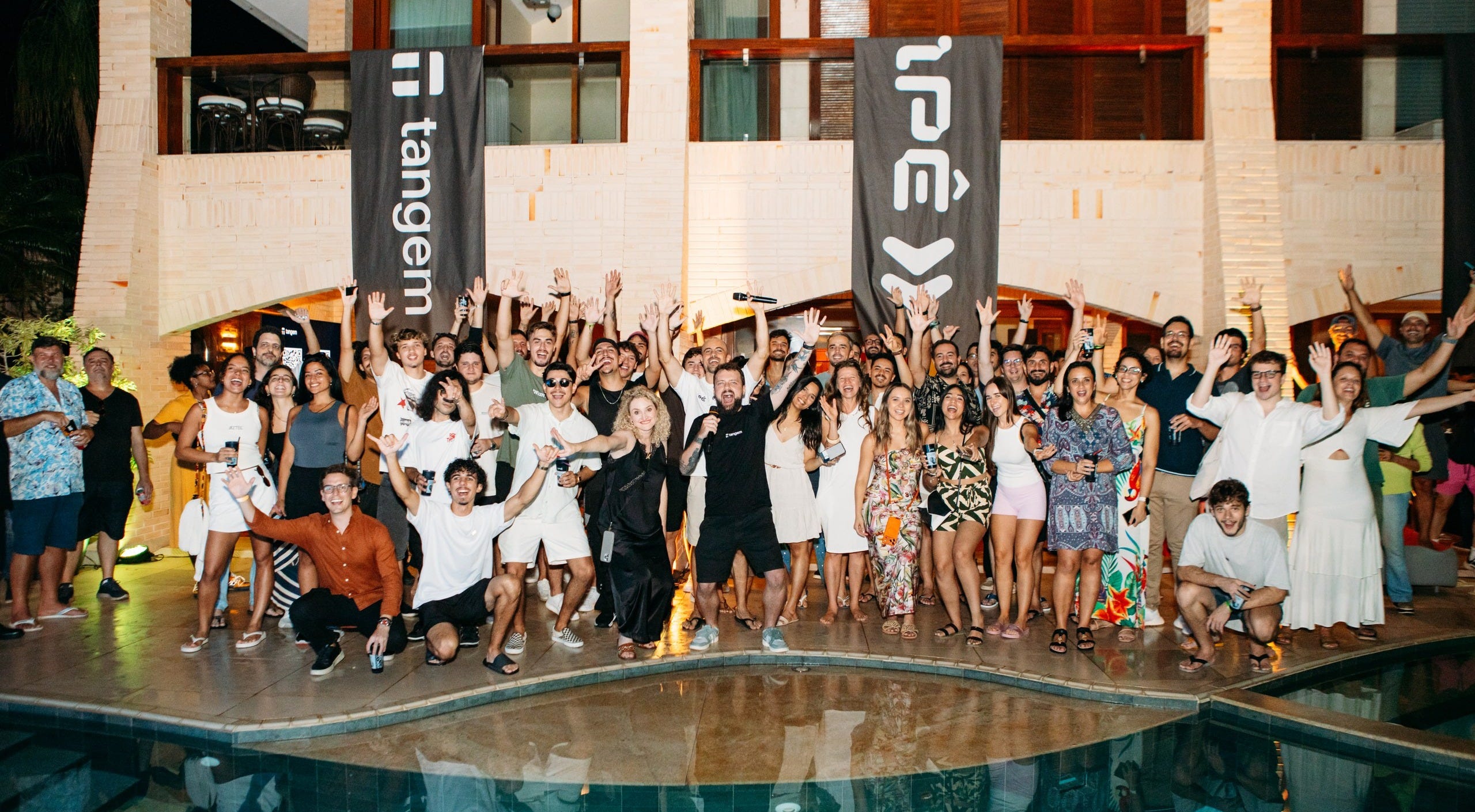
The next move is already announced: a permanent Hacker House in Jurerê, built for techno-optimists and digital nomads who want more than a month-long experiment.
🏫 Learning
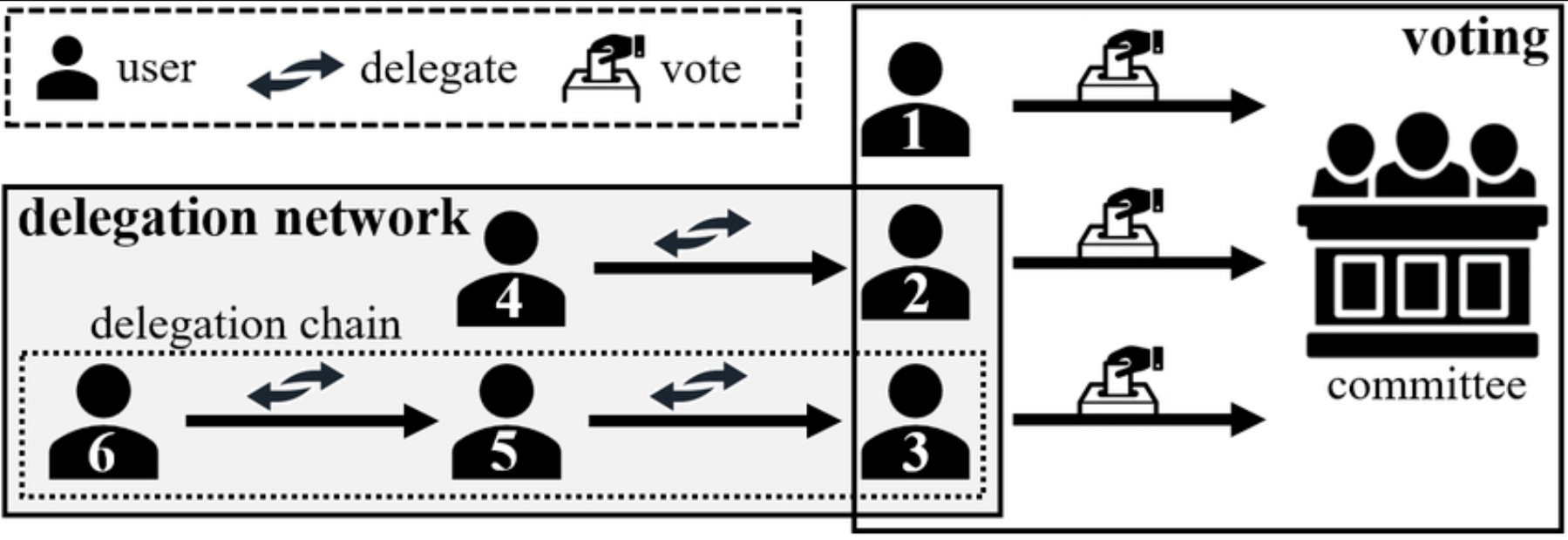
Most of us face two options when a community needs to decide. Vote on every proposal yourself and you drown in items you barely understand. Hand a four-year mandate to a representative and you lose the say on the ten decisions.
Liquid democracy tries to hold both doors open. You vote directly on the issues you care about, and you lend your weight to someone you trust on the rest. The loan is topic by topic, and you can pull it back the moment you change your mind. In most online versions the chain extends: if your delegate trusts a builder on storage policy, your weight flows further down that path until it reaches whoever has the real expertise.
A few popular delegates can quietly absorb the weight of thousands, and a system meant to spread power starts to look like a small set of hubs. Implementations from LiquidFeedback onward try to make the graph public and cap how far a delegation chain can extend before someone has to renew it.
🌐 Network Societies Update
Forma launched an announcement video, and it suggests that “Popups are the new startups” is more than a tagline. After two years of building popup villages with Solana across multiple countries, Babak Ahmadzadeh and Farhaj Mayan say the next chapter is a permanent establishment in the United Kingdom.
The arc has been building since Breakpoint 2025, when Forma outlined its first Special Economic Zone in the Isle of Man, a Crown Dependency with flexible regulatory architecture close to UK capital. The current site already lists a Bristol residency for June 2026. The popup was the prototype, testing community design and governance incentives before committing to a permanent address.

IslandDAO has confirmed Florianópolis as its next stop, with the Brazil edition of the monthlong residency scheduled for October and November 2026. Applications are not yet open, but the format tracks the model the DAO has run in Crete, Koh Samui, and Mykonos: a villa where Solana developers, founders, and designers live and ship together for four weeks. Entry requires holding an IslandDAO NFT from the twelve-animal passport collection, with governance running onchain via Realms.
🛠️ Parallel Institutions
Zama Protocol: SDK, Delegated Decryption, and Confidential Tokens on Mainnet #Parallel Currencies
Think of a glass-walled bank. Every transaction, every balance, every transfer visible to anyone who cares to look. That is public blockchain finance today: powerful for auditability, awkward for anything that behaves like treasury policy with confidentiality expectations.
Zama‘s May 2026 Protocol update ships a full developer SDK, delegated decryption, and official ERC-7984 confidential token wrappers on Ethereum mainnet. Until now, wiring confidential computation into a dApp meant diving deep into fully homomorphic encryption. Zama’s TypeScript packages wrap that stack behind familiar hooks so a React team can stay inside its usual patterns instead of hand-rolling cryptography.
Sci-Bot: RAG Over Sci-Hub’s Full PDF Index #Parallel Science
In April 2026 Sci-Hub put Sci-Bot into public alpha on its archive, wiring natural-language questions to retrieval across tens of millions of scientific PDFs and answers that cite those files. RAG here rides a cross-disciplinary shelf wider than most universities expose through a single portal, yet each claim still points back to a paper instead of miscellaneous web pages. Fewer PDF hunts should speed the loop from reading to experiment.
C&EN had three scientists try the alpha. Sessions allowed only one prompt, the interface stayed bare, and the newest paywall blocks often surfaced as blind spots. Daniel Himmelstein, chief technology officer at RadOverlay, told the magazine that “Sci-Hub, by not caring about copyright law, is able to mine a much broader source of publications.”
Sci-Net handles supply: academics request absent papers, peers with library access upload them, and Sci-Hub tokens reward the uploads, feeding paywalled literature into the same index Sci-Bot already searches.
🌍 Other Interesting News
Vocdoni introduced NI-DKG, a non-interactive distributed key generation protocol that proves critical steps on-chain with zero-knowledge proofs and trims the complaint rounds common in classical DKG. It feeds the DAVINCI pipeline used for auditable elections; the full construction appears as IACR ePrint 2026/552, with experimental code in the davinci-node repository.
Drop an image or type a prompt and Casberry returns working 3D particle code in React and three.js, exportable as GLB or OBJ for Blender and Maya. Runs in the browser, currently free. The gap between sketch and usable 3D asset just got a lot shorter.
💡 Join Ipê City Community
Follow the journey and join the community on Twitter or Discord.