
Ipê News #30 - State Law Pressure on Open Infrastructure, Agent Rails Go Onchain
Your weekly update on what is happening in the Startup Society ecosystem.
Hey builders! Welcome to the 30th edition of Ipê News.
🏘️ Community Updates
Ipê Village 2026 returns to Florianópolis in April for another month-long pop-up, bigger this time, with more Hacker Houses, more residents, and deeper experiments in governance, AI, and crypto.
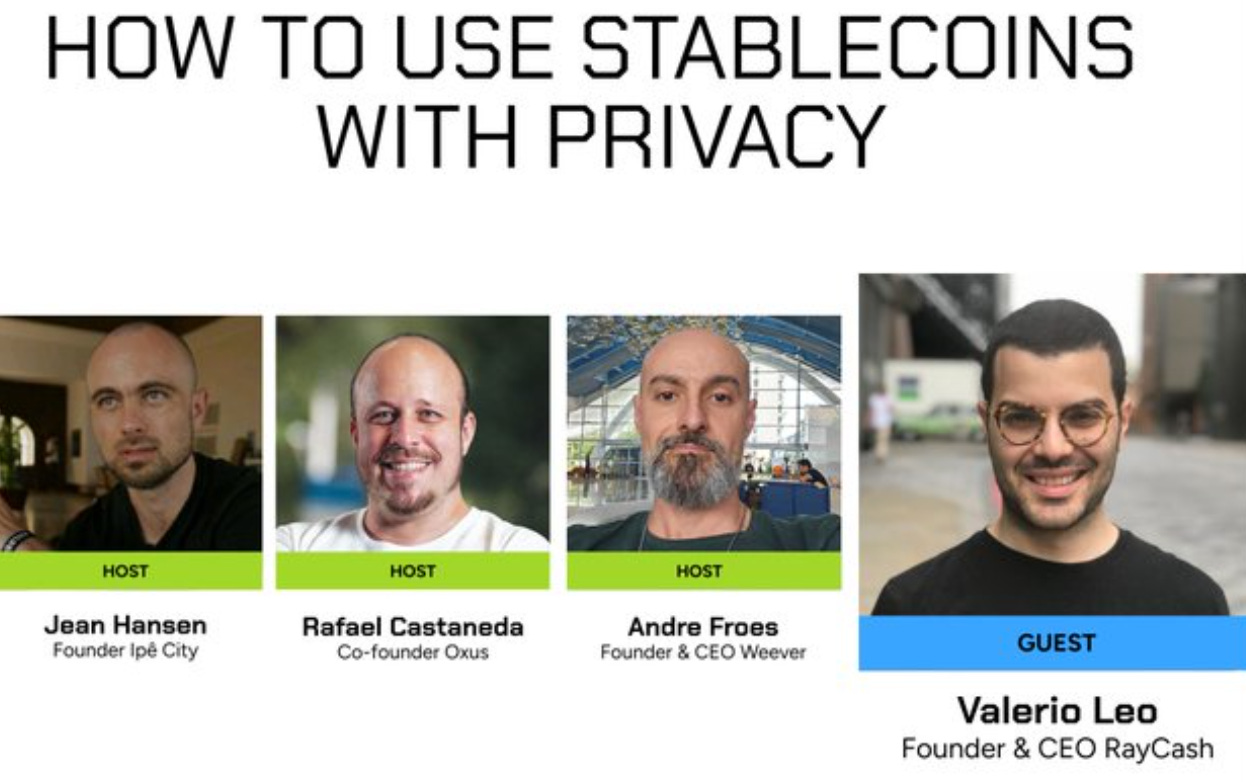
In episode #5 of IpêCast, Jean and André spoke with Valerio Leo, Founder and CEO of RayCash, about how private stablecoins can be used in practice. They discussed the stablecoin trilemma (self-custody + privacy + banking usability), FHE (Zama) for computation on encrypted data, and privacy as a missing layer for digital governance/coordination (incl. Zcash zk-SNARKs). Full broadcast on YouTube.
🏫 Learning
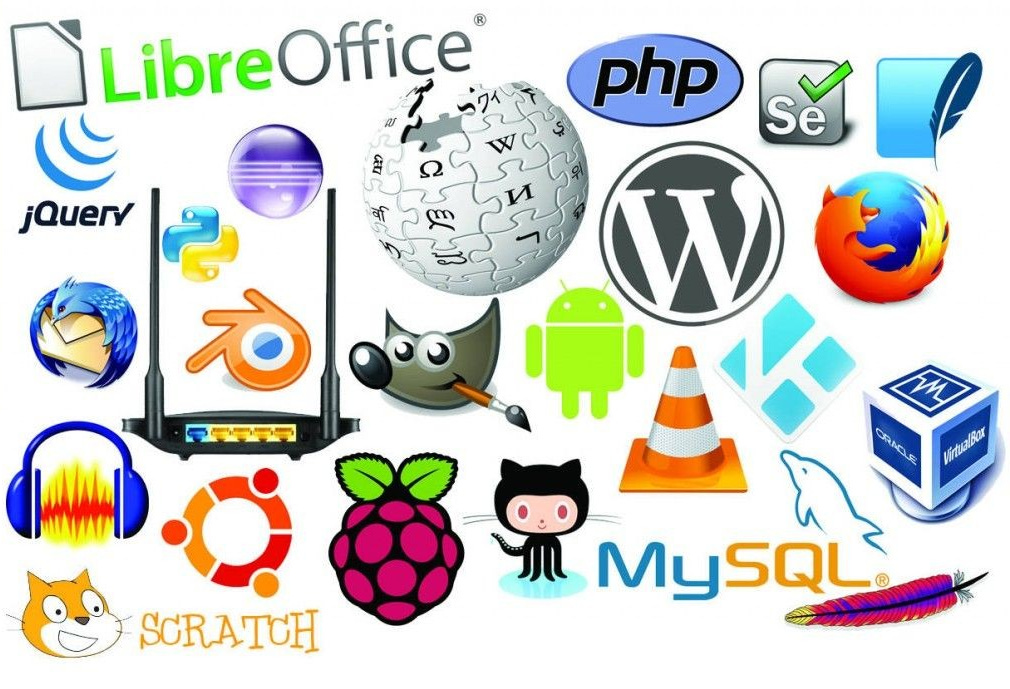
Most commercial software keeps users inside a vendor-controlled environment, where access, updates, and long-term compatibility depend on decisions made outside the community, while free software and open source emerged as ways to reduce that dependence by keeping code open to inspection and change by users and communities.
They often describe the same projects, but from different premises, since the Free Software Foundation, active since 1983, defines software in terms of user freedom to run, study, modify, and share, whereas the Open Source Initiative, founded in 1998, frames it through practical licensing criteria in the Open Source Definition, where source availability, modification, and redistribution are central
This distinction matters because software can meet OSI criteria and still limit real user control in practice, as seen in many Android devices where the Linux kernel is published under the GPL but block modified executables, , with permissive models like MIT and BSD allowing proprietary relicensing, while copyleft models like GPL require forks to preserve the same freedoms.
🌐 Parallel Communities and Cities
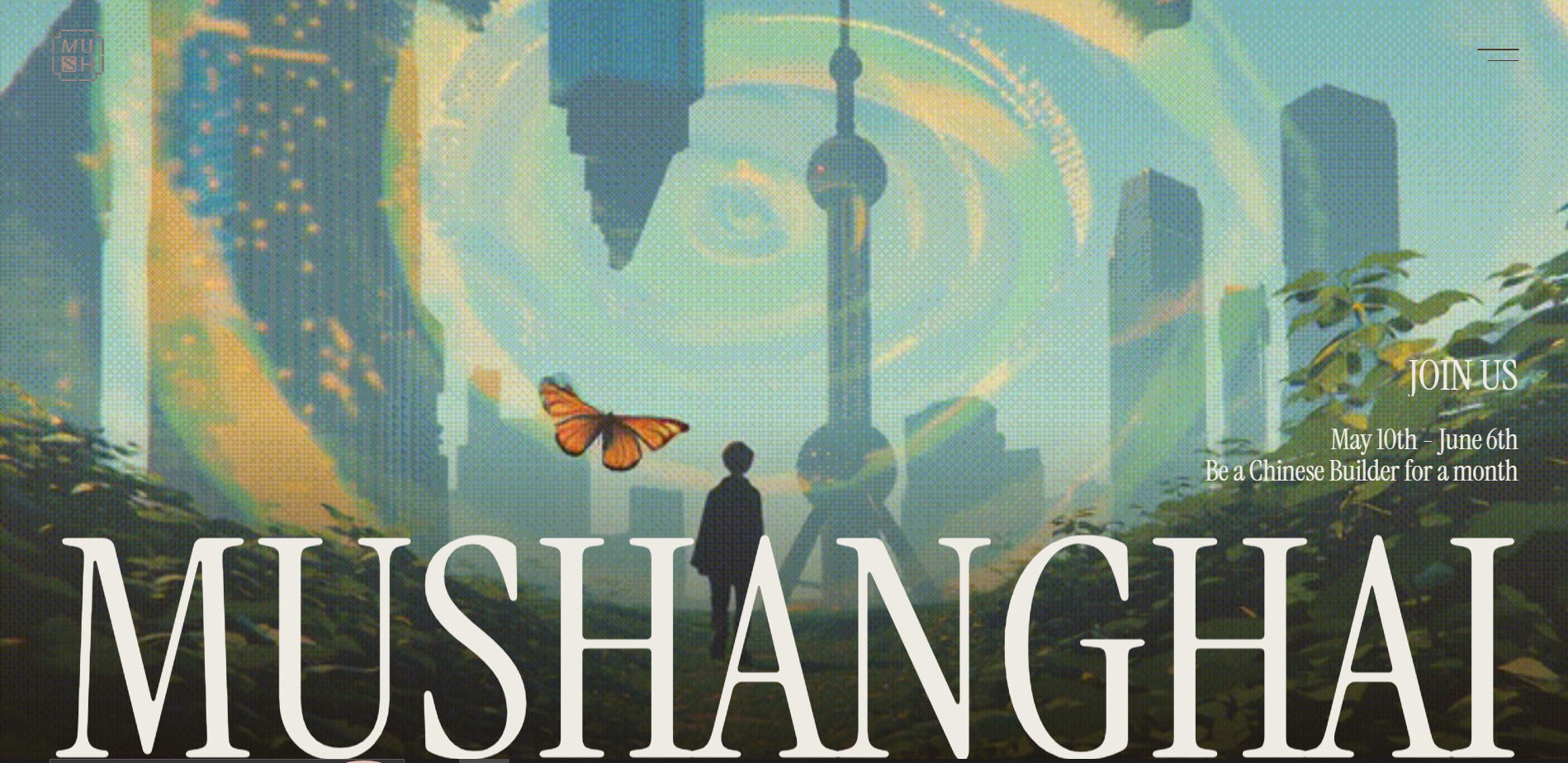
If you want a clearer signal of where pop-up societies are going, check muShanghai. The project frames itself as a month-long builder environment in Shanghai (10 May - 6 Jun 2026), organized around AI, biotech, robotics, and gaming, with a strong focus on practical immersion in China’s technology and business landscape.
muShanghai stands out as part of a larger shift: temporary settlements are becoming real testbeds for network-native collaboration, not just short meetups. The public social channel is listed as @themu_xyz, while the main program details and application flow remain on the official site.
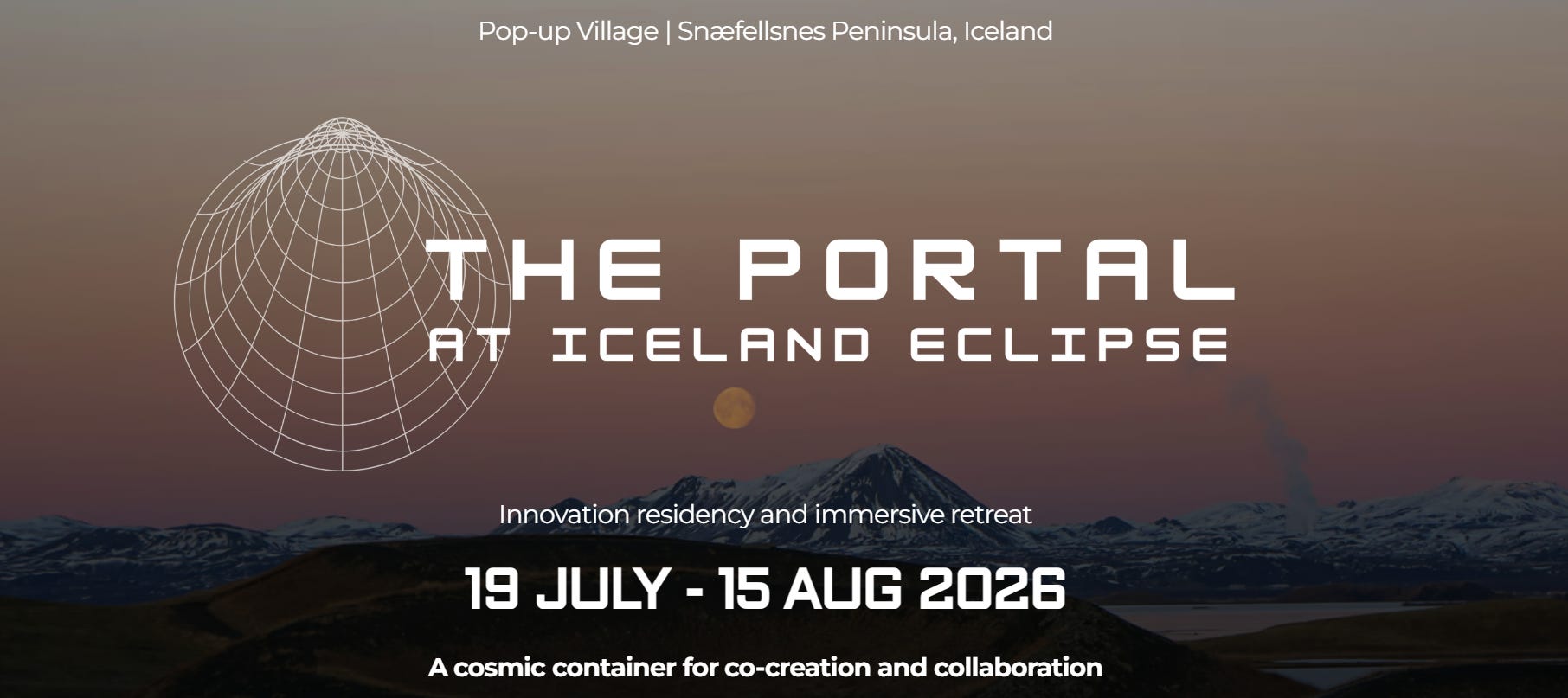
The Portal is a month-long program on Iceland’s Snæfellsnes Peninsula, set against a volcanic landscape shaped by millennia of glacial and geothermal activity. Running ahead of the total solar eclipse on 12 August 2026, it brings together people from different fields for daily practice, creative work, and encounters with nature, with space to tap into the indigenous wisdom and living stories of this land.
The program feeds into the wider Iceland Eclipse festival (11-15 August 2026), which includes a full music lineup and a range of curated add-on experiences, among them eclipse-viewing at a glacial waterfall, a concert inside a lava cave, and a party beneath the glacier.
🛠️ Parallel Institutions
Rails for Agents on Prediction Markets #ParallelInfrastructure
Have you ever thought about letting a robot trade prediction markets for you? According to CoinDesk, AI agents now power about 30% of Polymarket wallets, so this is already becoming part of how these markets operate.
This month, two major crypto products focused on the same core issue: how to let an agent trade without exposing private keys. OKX launched Agentic Wallet, where keys stay inside a Trusted Execution Environment (TEE), separate from the model. Before sending a transaction, the wallet shows a plain-language simulation of what will happen, and it can block actions it considers high risk. Agents can connect through MCP or CLI and work across around twenty chains with gas abstraction.
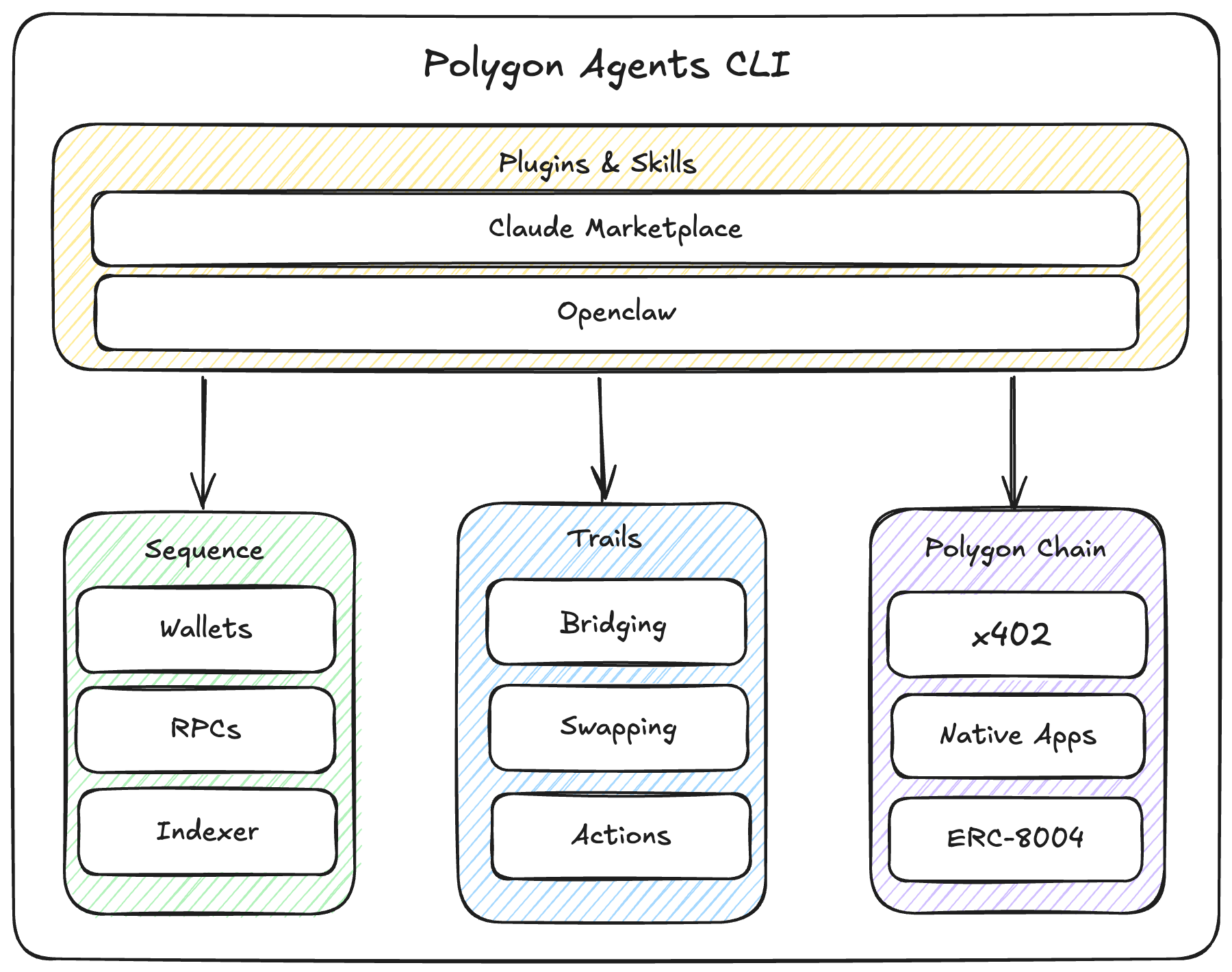
Polygon launched Agent CLI with a more open toolkit approach. It uses session wallets with spending limits and contract allowlists, and it settles payments in USDC. It also includes ERC-8004 for onchain agent identity and x402 for pay-per-request API payments in stablecoins. In practice, this helps agents pay for services directly and build reputation onchain over time.
Brazil’s ECA Digital and the Open Infrastructure Test #DigitalRegulation
Brazil’s ECA Digital - Law 15.211/2025, was approved on March 17, 2026 and became one of the strictest child-safety frameworks in Latin America. Triggered by the Felca case, it requires reliable age verification, mandatory parental controls, high-privacy defaults for minors, restrictions on monetization patterns such as loot boxes for under-18 users, and faster removal of harmful material. Enforcement is led by ANPD, with penalties that can reach service restrictions and fines up to R$50 million.
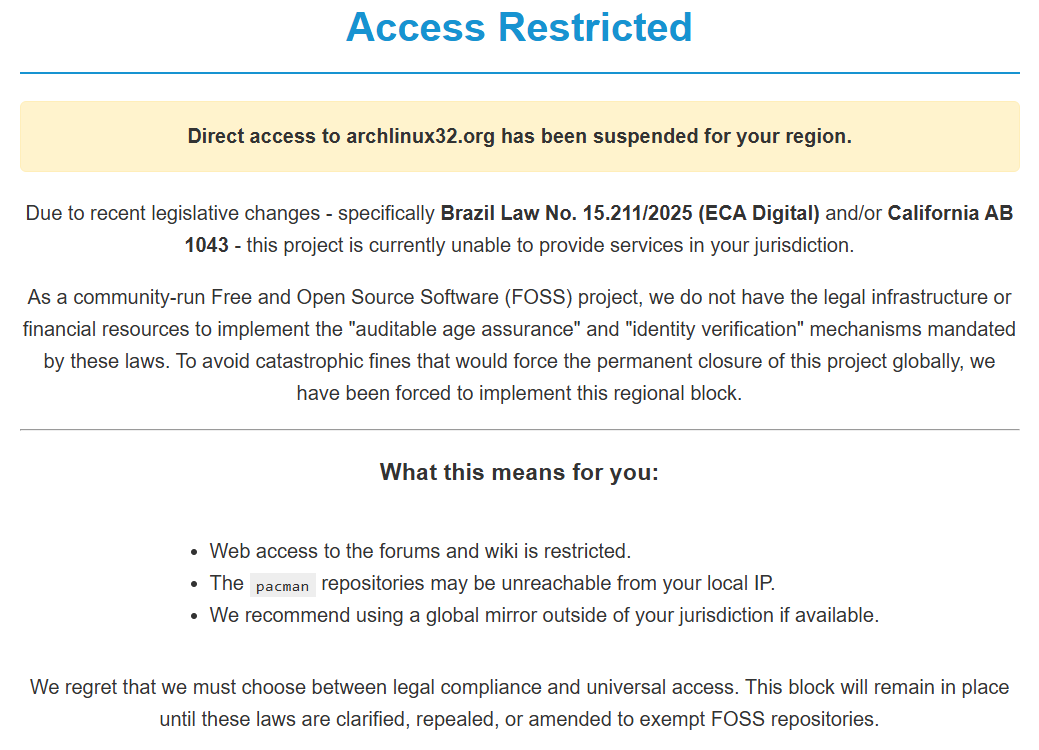
Strong age assurance usually means collecting sensitive signals, which raises direct tension with LGPD principles and increases breach exposure. Large platforms can absorb legal and technical costs, while volunteer-led and open-source projects often cannot. A visible early case was Arch Linux 32 restricting direct access for Brazilian IPs, a move discussed publicly in the ecosystem and reported in coverage such as this analysis.
So the policy goal is widely supported, but the current shape risks collateral effects: tighter data collection, over-blocking incentives, and withdrawal of smaller services from the market. This is not unique to Brazil. In Europe, implementation of the Digital Services Act and the Commission’s minor-protection guidelines has raised similar debates, and in the UK, rollout under the Online Safety Act.
🌍 Other Interesting News
The Museum of Crypto Art is building decentralized crypto-art curation to challenge the basics question, “what is art?” and “who decides?” It ties community stewardship to $MOCA incentives, with the Genesis Collection anchored to early blockchain works minted on 10.18.2022.
Project N.O.M.A.D runs local AI via Ollama, offline Wikipedia and medical references via Kiwix, Khan Academy courses via Kolibri, and regional maps via OpenStreetMap, all from a single install on any Ubuntu machine. The full stack is Apache 2.0 with zero telemetry and no cloud dependency after setup, drawing 15-65W so a solar panel and battery is enough to run it.
💡 Join Ipê Village 2026
Ipê Village 2026 will be our next large-scale experiment exploring the future of communities, cities, and governance. Hosted in Florianópolis, Brazil, in March/April 2026, this pop-up city is open to founders, builders, creators, and techno-optimists.
Follow the journey and join the community on Twitter or Discord.