
Ipê News #24 - SomaliScan Exposé, Pocket AI Goes Offline, Aleph Returns, and more
Your weekly update on what is happening in the Startup Society ecosystem.

Hey builders! Welcome to the 24th edition of Ipê News.
🏘️ Community Updates
Ipê was featured at Venture Miner Academy‘s Vibe Pitch Day, a global platform that connects Web3 and AI builders through hackathons and events worldwide.
Jean showcased another side of Ipê City, highlighting its business model, value proposition, the underlying problem we are trying to so. Check out the full pitch here.
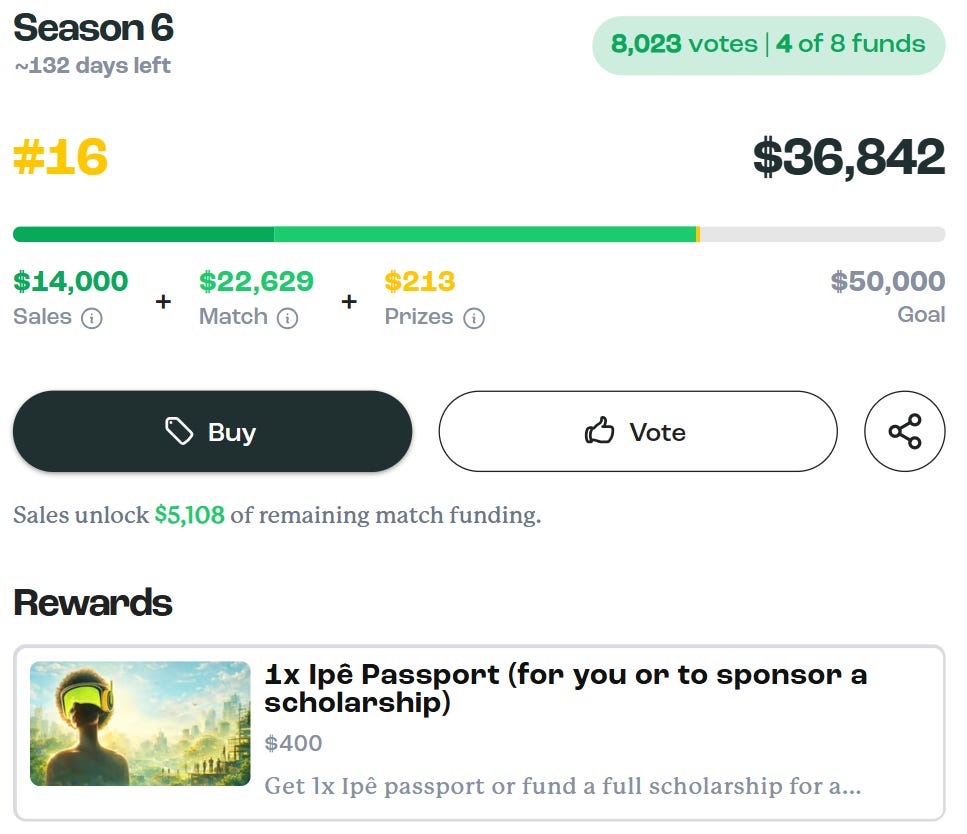
Ipê Village keeps climbing on Artizen. When we closed this edition, we were at #16 with $36,850 raised and 8,029 votes — 74% toward the $50k goal. By the time you read this, we’re probably higher. If you haven’t voted or donated yet, this is the moment.
You can buy the Ipê Village passport on the platform and secure 20% cashback.
🏫 Learning
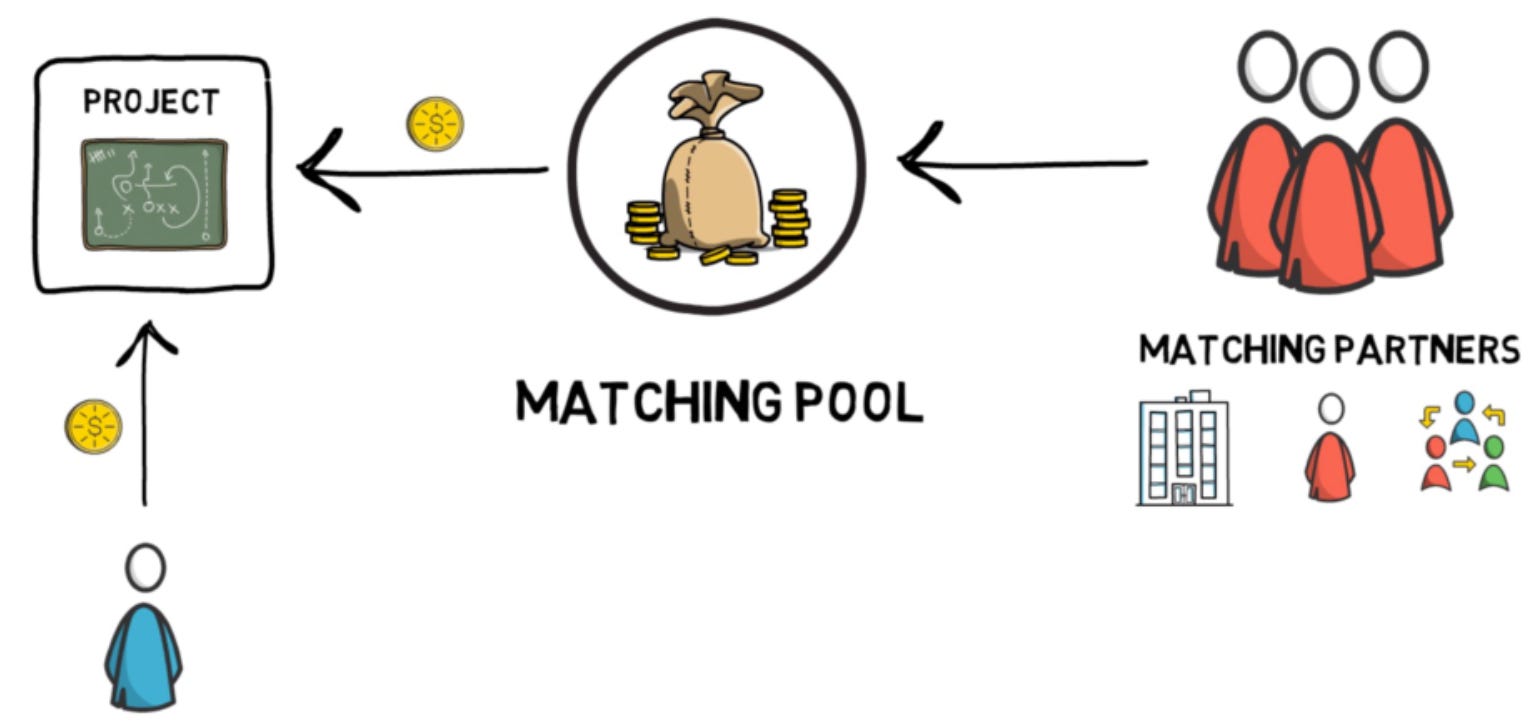
Quadratic funding is a matching mechanism that favors projects with broad community support over those with a few wealthy backers. Instead of matching dollar-for-dollar, the match is calculated by the square root of each contribution summed up, then squared. This means that 100 people donating $1 each generates more match than one person donating $100.
Quadratic voting works similarly: instead of one person, one vote, you get credits to distribute across multiple options. But voting twice for the same option costs you 4 credits (2²), three times costs 9 credits (3²), and so on. This prevents whales from dominating decisions while letting people signal intensity of preference.
Platforms like Gitcoin pioneered this for funding Ethereum public goods, and you’re using a variant right now if you’re voting for Ipê on Artizen, which uses a logarithmic formula based on quadratic principles. It’s how we fund things fairly when not everyone has the same resources. If your community needs to allocate grants or make collective decisions, quadratic mechanisms are the fairest tools we have.
🌐 Network Societies Update / Parallel Communities and Cities

Crecimiento is bringing back Aleph for its fourth edition, running March 4-26 in Buenos Aires. The month-long event is structured into four themed weeks: Opening Week (deep tech, agentic crypto), Institutional Week (Fintech Summit, Regulation Day), Startup Week (Demo Day, Aleph Hackathon), and Crypto Week (Privacy and DeFi Summits). Partners include Protocol Labs, Lisk, Edge City, and dozens of ecosystem organizations.
The key difference this year is the builder funnel. The Aleph Hackathon (March 20-22) is the entry point to Crecimiento’s 2026 pipeline, connecting participants to the buildathon season and eventually the Startup World Cup competition. Argentina’s crypto adoption, technical talent, and regulatory openness make it a natural testing ground for this model.
🛠️ Parallel Institutions
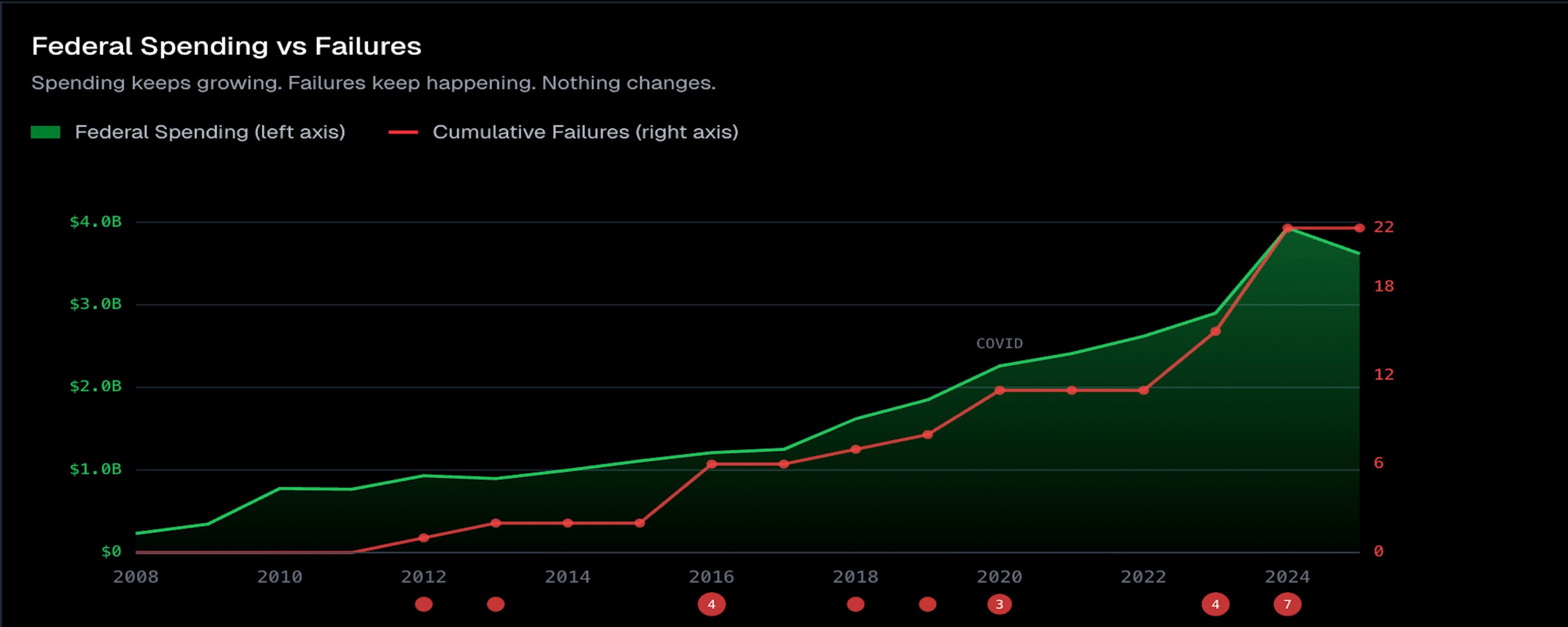
$40 billion in government contracts. 25 states. Zero systems that work properly. This is Deloitte‘s track record, one of the world’s largest consulting firms, in building public infrastructure across the United States. California’s unemployment system lost $32 billion to fraud during COVID because it had no basic fraud detection. Tennessee’s Medicaid platform malfunctioned so badly that 250,000 children lost coverage. A California court system budgeted at $260 million ended up costing $1.9 billion before being canceled without delivering anything functional.
A developer named Beaver built SomaliScan, a platform aggregating 600 million lines of public spending data. He documented Deloitte’s failures in a viral article that won X’s $1 million prize. But the real breakthrough isn’t the exposé, it’s the method. Anyone can access the dashboard, verify the data, download CSVs. The $74 billion in losses aren’t estimates; they’re documented line by line. This is journalism evolved into verifiable infrastructure.
The contrast is brutal. Legacy consultancies operate on revolving doors and maximized billing. Meanwhile, startups using AI build the same systems 1000x cheaper, faster, and functional. Govtech companies are already building Medicaid platforms, fraud detection, and public infrastructure at exponentially lower costs. The technology exists, waiting to replace the broken model.

Using cloud LLMs means sending your data to external servers. Every conversation, every file, every sensitive query passes through someone else’s infrastructure. The solution emerging now is simple: run models locally, on hardware you own, with nothing leaving the device.
Two products from 2026 show this in practice.
Tiiny AI‘s Pocket Lab, unveiled at CES, is a palm-sized computer that runs models up to 120B parameters with 80GB memory and 20+ tokens/s. Plugs into your laptop via USB, ships with TiinyOS for one-click open-source model downloads. No subscription, no token fees, no constant internet.
Vora Aegis uses dual architecture: Guardian (offline, for emails, health, finances) and Explorer (for internet tasks). Sensitive data never leaves Guardian’s isolated sandbox. Identity is key-based like Bitcoin, not account-based. Built by ex-Coinbase and Bitkey founders, framed as “self-custody for AI.” Launch in 2026.
The logic mirrors other parallel infrastructure: if you need external permission to process private information, you don’t control it. These devices treat compute as architecture, not convenience.
🌍 Other Interesting News
Eleven teams advanced to the finals of XPRIZE Wildfire, competing to develop autonomous systems that detect and suppress wildfires faster than traditional government response. The competition highlights how prize-driven innovation can tackle civic-scale challenges that legacy institutions struggle to address. Finalists will deploy their solutions in real wildfire scenarios.
A Brookings Institution analysis examines how legacy governments are rethinking their approach to big tech data center negotiations. Communities are now demanding infrastructure upgrades, workforce training, and long-term economic benefits instead of just tax breaks. This shift reflects a broader narrative of tech hubs driving regional autonomy and sustainable local development.
Why Crypto's 'Long Game' Means Finance Comes First
a16z crypto's Chris Dixon argues that non-financial crypto use cases haven't failed — they're just following the natural order. Like the internet needed basic infrastructure before social media, blockchains need financial applications first to establish wallets, identity, and liquidity. The GENIUS Act's success with stablecoins shows how policy breakthroughs can accelerate adoption across the ecosystem.
💡 Join Ipê Village 2026
Ipê Village 2026 will be our next large-scale experiment exploring the future of communities, cities, and governance. Hosted in Florianópolis, Brazil, in March/April 2026, this pop-up city is open to founders, builders, creators, and techno-optimists.
Follow the journey and join the community on Twitter or Discord.